The Reasons We Act.
High Costs + Low Access, Amidst Endless Potential, Real Hunger. This Is Why We Step In. For People. For Maui.
The Heart of Our Work...
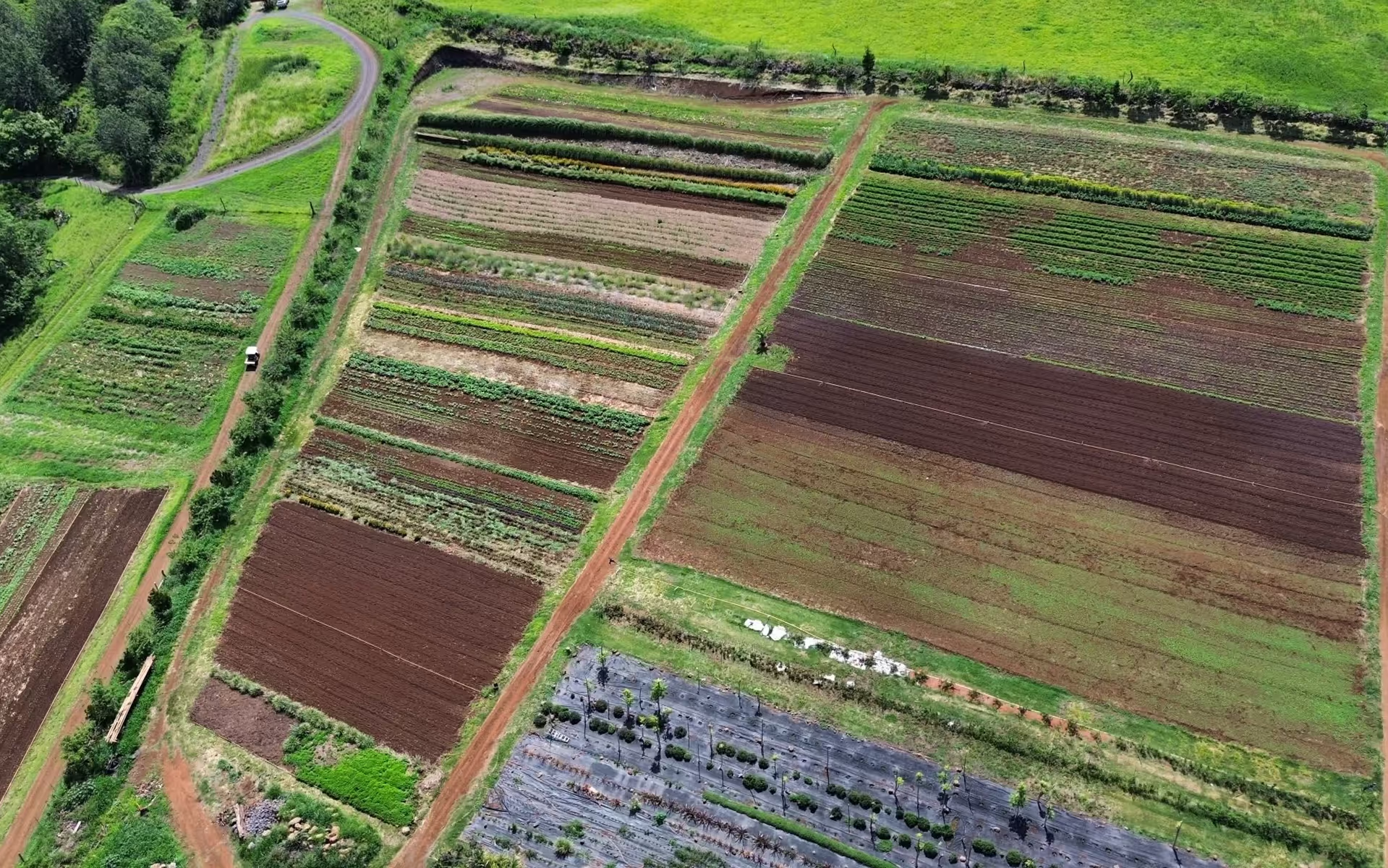
Maui provides a breathtaking climate diversity. It hosts 10 of the possible 14 climate zones with the wettest spots on island receiving upwards of 400 inches of rain annually, and the driest just a few inches.
Climate diversity translates to a land able to supply a dynamic array of produce - both conventional and tropical varieties.
Maui’s varied rainfall patterns nurture everything from lush rainforests to dry grasslands within a single island, making it a truly special place.

Maui Food Insecurity
The Struggles Maui’s Farmers Face
Environmental and Legal Factors
.jpg)
County rules layer strict state classifications with burdensome permits and zoning limits, leaving farmers tangled in costly approvals that delay projects, restrict agritourism, and choke off income, making it harder for Maui agriculture to survive long‑term.
.jpg)
Maui’s water is tightly controlled, and decades of diversion plus aging private infrastructure have pushed prices to extremes. Farmers face soaring rates and unreliable access, making it harder to keep crops alive and threatening the island’s long‑term food security.
.jpg)
Maui’s farmland commands some of the highest prices in Hawaii, where limited acreage and rising development pressure push per‑acre costs beyond reach, leaving farmers unable to secure long‑term land and threatening the island’s ability to sustain a resilient local food system.
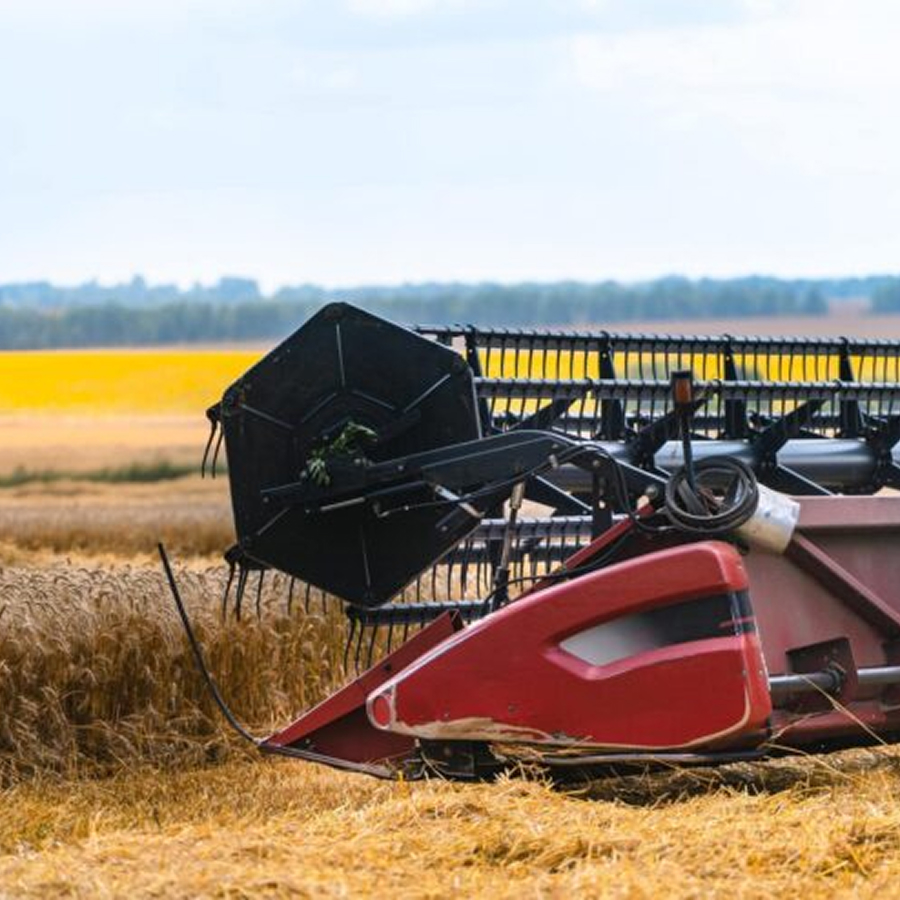
Maui’s steep terrain leaves only limited pockets of workable flat land, forcing farmers onto costly slopes where irrigation, equipment use, and soil prep become harder, shrinking viable acreage and undermining the island’s ability to grow food at scale.
.jpg)
Maui’s farms are under constant attack from invasive deer, insects, and plant diseases that wipe out crops, damage irrigation, and drive up costs, leaving growers fighting nonstop losses that threaten the island’s ability to maintain a stable local food supply.
.jpg)
Maui’s composting systems are inconsistent and often under‑resourced, leaving farmers with costly, low‑quality material that fails to rebuild soil health, driving up expenses and weakening the island’s ability to support resilient, regenerative agriculture.
Socioeconomic Factors
Paperwork Barriers
Farmers lose critical time and resources to complex paperwork and grant processes that limit their ability to grow and sustain local agriculture.
.jpg)
Labor Costs
Rising labor costs make it nearly impossible for small farms to hire local workers and maintain consistent production.
.jpg)
High Taxes & Coverage
Heavy tax burdens and expensive health insurance drain already‑thin farm margins and threaten long‑term financial stability.
.jpg)
Overhead Costs
Essential supplies, equipment, and maintenance costs continue to climb, pushing small farms toward unsustainable operating expenses.
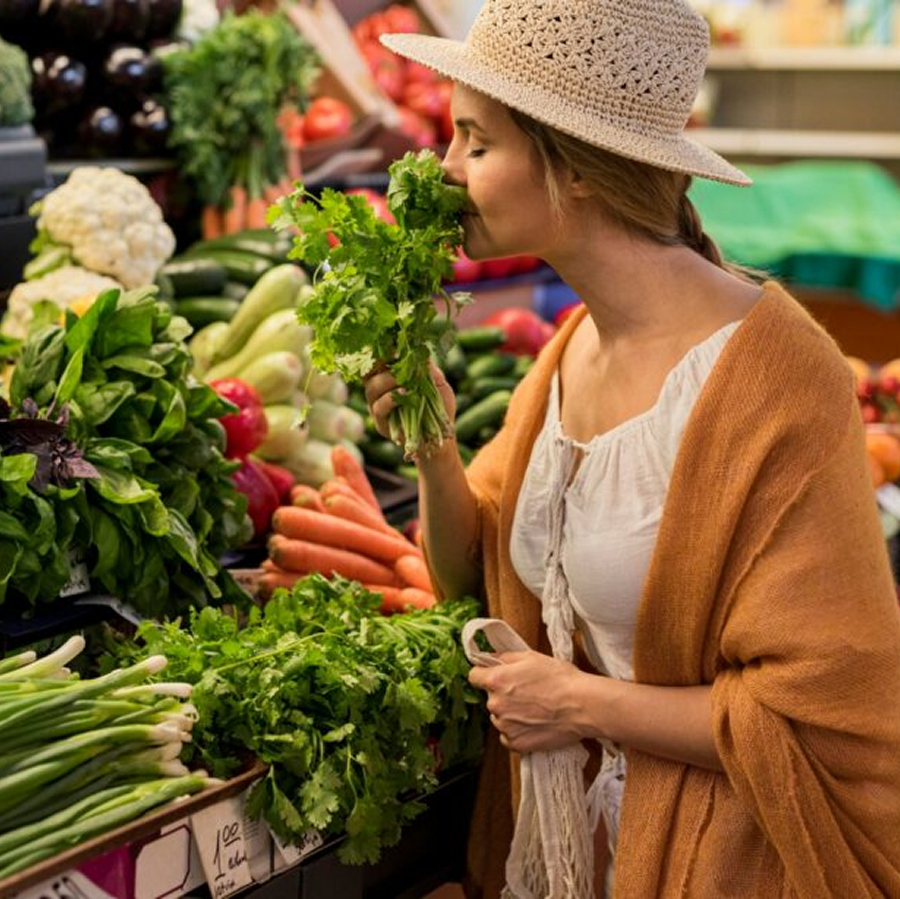
No Market For Goods
Without a permanent farmers' market, many growers struggle to reliably sell their produce and strengthen Maui’s local food economy.
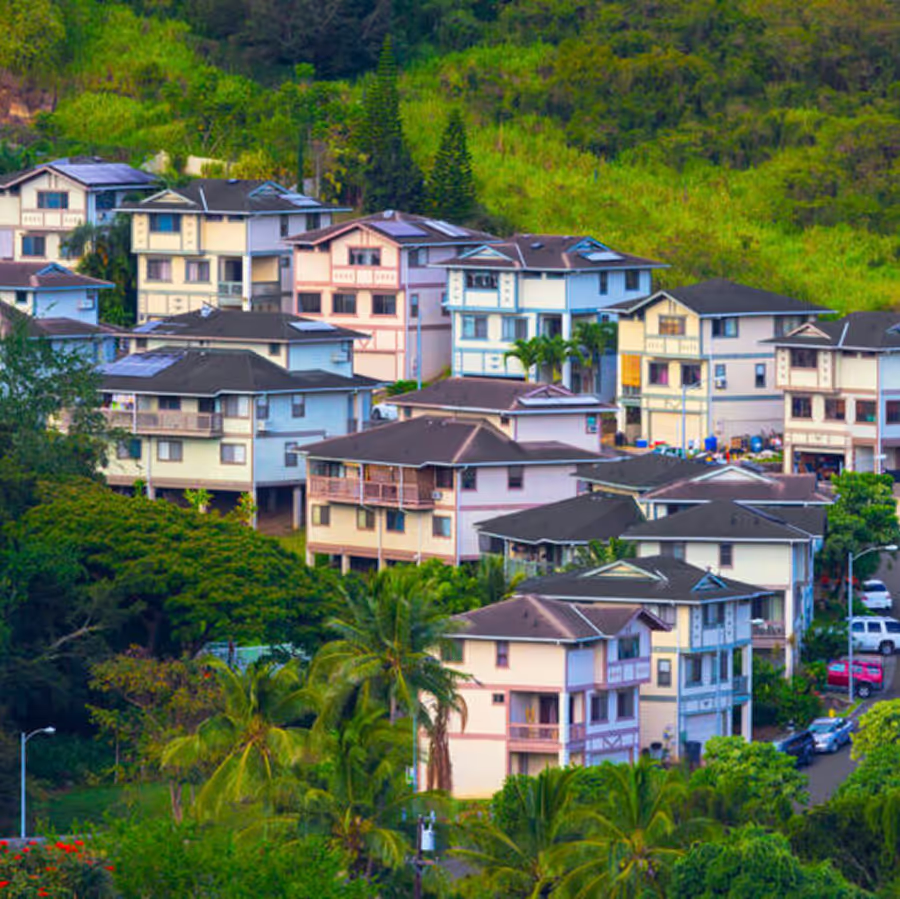
Competition
The tourism industry offers higher wages and more stable hours, pulling workers away from agriculture.
GROW MAUI’S FUTURE WITH US
Your contribution fuels organic farming, soil restoration, and food access programs across the island.
